The Impact of Interest Rates on Crypto: A Deep Dive
In recent years, the volatility of cryptocurrencies like Bitcoin and Ethereum has raised eyebrows among investors and financial analysts alike. As central banks around the world grapple with inflation and monetary policy, the impact of interest rates on these digital assets has become a key topic of discussion. According to recent reports, with over $4.1 billion lost to DeFi hacks in 2024, understanding these dynamics is more crucial than ever. In this article, we will explore how interest rate changes influence the cryptocurrency market, offering valuable insights for investors who seek to navigate this complex landscape.
Understanding Interest Rates and Their Role
Interest rates represent the cost of borrowing money, and they play a pivotal role in the economy. When rates rise, borrowing becomes more expensive, discouraging consumer spending and investment. Conversely, low interest rates usually stimulate borrowing and spending. This dynamic can have profound effects on all markets, including the cryptocurrency space.
The relationship between interest rates and cryptocurrency can be likened to a seesaw. When interest rates increase, traditional investors may shift their focus away from higher-risk assets like cryptocurrencies in favor of more stable investments that generate interest, such as bonds or savings accounts. Conversely, lower interest rates can encourage investment in riskier assets as people search for higher returns.
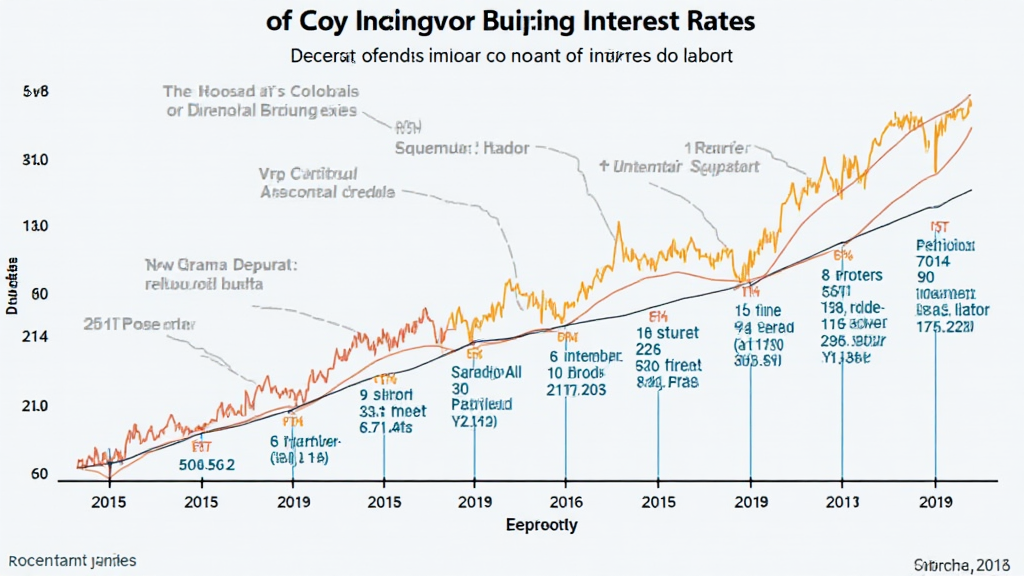
The Current State of Interest Rates
As of 2023, many central banks, including the U.S. Federal Reserve, have adopted a hawkish stance toward interest rates to combat inflation. The Federal Reserve has raised rates to a level not seen in over a decade, influencing the behavior of both traditional financial markets and cryptocurrencies.
Table 1 below illustrates the recent interest rate changes by the Federal Reserve:
| Year | Interest Rate (%) |
|---|---|
| 2021 | 0.25 |
| 2022 | 1.50 |
| 2023 | 5.00 |
Source: Federal Reserve Data
Impact on Cryptocurrency Investments
As interest rates rise, we often see a decrease in cryptocurrency prices. Investors, executing a ‘flight to safety,’ may pull funds from digital assets and park them in interest-bearing accounts. This behavior can create downward pressure on crypto prices.
For example, during periods of rising interest rates in late 2022, Bitcoin’s price was severely impacted, dropping from around $69,000 in November to below $35,000 by July 2023. This pattern showed how sensitive the cryptocurrency market is to changes in interest rates.
Understanding Market Sentiment
Market sentiment can also play a powerful role when assessing how interest rates affect cryptocurrencies. Fear of rising rates often leads to increased sell-offs, while optimism about future rate cuts can lead to periods of recovery.
For instance, in early 2023, when many expected the Federal Reserve to take a pause on interest rate hikes, cryptocurrency markets rallied. Bitcoin, Ethereum, and other altcoins like Litecoin experienced price increases ranging from 25% to 50% within a month.
Analyzing Historical Trends
To get a better grasp of how interest rates influence crypto markets, we need to analyze historical trends.
From 2017 to 2020, for instance, the Federal Reserve kept interest rates low, resulting in a bull market that saw Bitcoin increase from $1,000 to its all-time high of $69,000. Conversely, the tightening monetary policy in late 2021 led to sharp declines in prices.
What This Means for Investors
- Short-term Strategies: Investors should consider potential interest rate changes when planning short-term trades. The correlation tends to be stronger around rate announcements.
- Long-term Perspective: For long-term holders, the broader market trend can often outweigh short-term interest rate fluctuations. Historical data shows that despite volatility, successful investors maintain a long-term view.
- Diversification: Increasing exposure to various asset classes can help mitigate risks associated with interest rate changes.
The Vietnam Crypto Market: A Local Perspective
Vietnam’s cryptocurrency market remains dynamic, with a user growth rate of approximately 30% per year. As the market evolves, understanding how global economic factors affect local investments is crucial.
In Vietnam, investors are becoming increasingly aware of the interplay between interest rates and cryptocurrency. As central banks address inflation, local investors are adjusting their strategies in response to anticipated rate changes.
Local Data and Trends
The Transaction Volume of Vietnamese Cryptocurrency Exchanges has seen significant spikes correlating with interest rate announcements globally. According to a report by hibt.com, more than 50% of Vietnamese crypto traders are influenced by U.S. interest rate policies.
Conclusion: Navigating the Future
As we examine the impact of interest rates on crypto, it becomes evident that these economic indicators play a critical role in shaping market trends. With the current environment of fluctuating interest rates leading to significant volatility in the cryptocurrency market, understanding how to navigate this landscape is essential for both new and experienced investors.
In summary, it’s crucial for investors to stay informed about economic policies worldwide and their potential implications on their crypto portfolios. As seasoned investors know, making informed decisions can redefine success in the fast-paced world of cryptocurrency.
Ultimately, whether you are planning to invest or already holding assets, staying updated with interest rates and market dynamics can greatly influence your success.
Explore more about investing strategies in our Vietnam crypto tax guide. Not financial advice. Consult local regulators before making investment decisions.
This article was authored by Dr. Linh Nguyen, a blockchain technology expert with over 25 published papers in digital assets and a lead auditor for several prominent crypto projects.