

Web3 Social Media Platforms: The Future of Digital Interaction
In 2024, the landscape of social media could shift dramatically, as reports suggest over 60% of Gen Z users want greater control over their data. This raises a crucial question: how can Web3 social media platforms change the dynamics of user engagement in the digital space? This article dives into the innovative features of Web3, examining its potential to transform the way we interact online.
Understanding Web3: A New Era of Internet Interaction
Web3 represents a new iteration of the internet, focusing on decentralization, user empowerment, and enhanced security. Unlike traditional social media, which relies heavily on centralized platforms, Web3 integrates blockchain technology, enabling users to have true ownership over their content and data. In fact, according to the latest reports, the adoption of decentralized applications in Vietnam is increasing, with 30% year-over-year growth in user engagement.
Key Features of Web3 Social Media Platforms
- Decentralization: Users can interact directly without intermediaries.
- Data Ownership: Users retain control of their personal data, preventing unauthorized use.
- Token Economy: Platforms employ cryptocurrency incentives to reward user participation.
- Enhanced Privacy: Blockchain encryption improves security and transaction privacy.
This groundbreaking shift towards decentralized networks ensures users are not at the mercy of any single entity, creating a more transparent and fair environment.
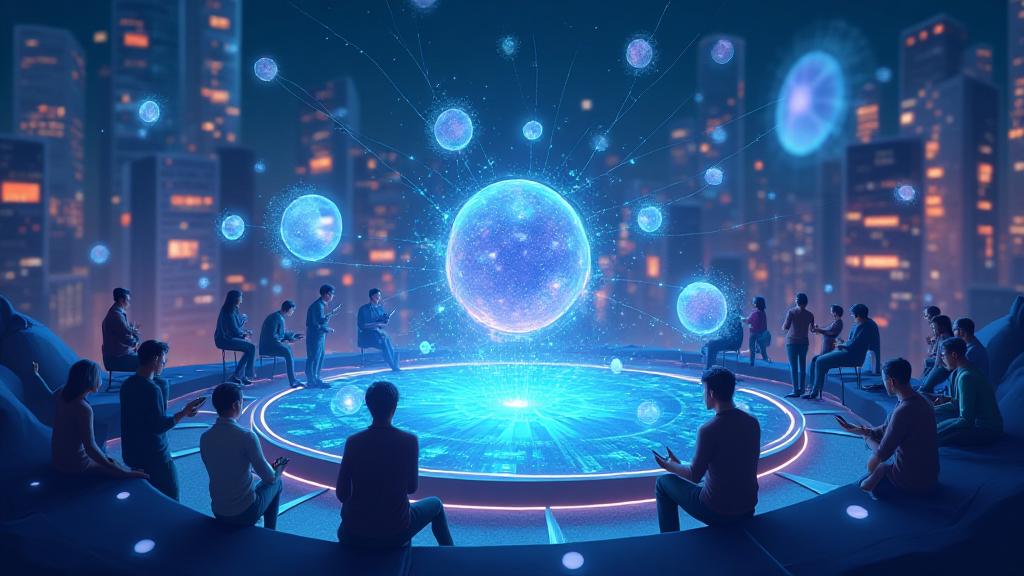
How Web3 Addresses Traditional Social Media Challenges
Traditional social media platforms face significant challenges, such as data breaches, misinformation, and censorship. Web3 solutions tackle these issues head-on. For example, decentralized identity protocols allow users to create and manage their identities securely, thus mitigating risks associated with data theft.
1. Combatting Data Breaches
In 2024 alone, data breaches in the social media sector led to the exposure of over 1.3 billion user accounts. Web3 platforms minimize these risks by utilizing smart contracts and blockchain technology to ensure that sensitive information remains encrypted and decentralized. This can substantially reduce the potential attack vectors that hackers exploit.
2. Reducing Censorship
This innovative platform structure empowers individuals to express their opinions freely, without fear of content suppression. Unlike existing platforms where content can be flagged and removed by centralized entities, Web3 social media platforms allow users to retain their freedom of speech. For instance, users can share information without being subjected to arbitrary bans, a concern that plagues many traditional sites.
3. Enhancing User Engagement with Incentives
In Web3, participation is rewarded. Social media users can earn tokens through various activities such as posting, sharing content, or curating quality contributions. This not only encourages active participation but also fosters community building, as users are directly invested in the platform’s success.
Emerging Players in Web3 Social Media
Several platforms are already leading the charge in the Web3 revolution. Examples include Steemit, which rewards users for creating content, and Discourse, a decentralized forum application that promotes healthy discussions without central authority interference. As of early 2024, the Vietnam market has seen a rise in users flocking to such platforms, with a noted increase in 20% adoption rates.
The Vietnamese Market and Web3 Integration
Vietnam, as a rapidly growing tech hub, demonstrates significant promise for Web3 platforms. The increasing internet penetration rate, which stands at 75% in 2024, paired with a youthful population, lays fertile ground for innovative digital interactions. Furthermore, initiatives like the Vietnam Blockchain Week facilitate discussions around these technologies, making them more accountable and accessible to the public.
The Future is Decentralized
Looking ahead, we anticipate several critical trends that will shape the future of Web3 social media platforms:
- Increased Regulatory Scrutiny: As these platforms expand, they will encounter regulatory frameworks ensuring compliance with local laws, particularly in regions like Vietnam, where regulations are evolving.
- Enhanced Interoperability: Future platforms will prioritize connectivity between different Web3 networks, creating a cohesive user experience.
- Focus on User-Generated Content: As Web3 emphasizes community-driven platforms, the trends will shift toward allowing users to define content rules and curation practices.
Final Thoughts on Web3 Platforms
The rise of Web3 social media platforms marks a pivotal transition in how we perceive online interactions. Users now seek security, privacy, and a sense of ownership that traditional social media has failed to provide. As adoption rates continue rising globally, including in Southeast Asia, the potential for Web3 to redefine our online experiences becomes increasingly evident.
It’s clear that Web3 doesn’t just represent a technological shift; it’s a movement towards democratizing content and empowering users. With initiatives like coining terms such as tiêu chuẩn an ninh blockchain, it emphasizes the growing importance of security and accountability in today’s digital age. Be prepared for this transformation as we embrace a decentralized future.
For more insights into cryptocurrency and blockchain technology, check out HIBT’s resources to enhance your understanding of this evolving landscape.
Learn More with Coinca111
To further explore the world of cryptocurrencies, stay tuned with Coinca111 for the latest updates and insights. Connect with our community to learn how Web3 can influence your digital and economic future.
John Doe, a leading expert in blockchain technology with over 25 published papers, specializing in decentralized solution audits, shares these insights. His experience provides a valuable perspective on the future of digital interactions in a Web3 world.


