

2025 Blockchain Security Standards: A Comprehensive Guide for Digital Asset Protection
With $4.1 billion lost to DeFi hacks in 2024 and an increasing reliance on digital currencies, blockchain security has never been more crucial. As we approach 2025, understanding the latest security standards and practices is essential for anyone involved in cryptocurrency. In this extensive guide, we will delve into the significant threats facing digital assets and the measures you can implement to keep them secure. Whether you’re a seasoned investor or just starting, our aim is to provide valuable knowledge to navigate the complex landscape of blockchain technology.
Understanding Blockchain Security
To ensure the security of your digital assets, it’s essential to comprehend blockchain technology itself. Think of blockchain as a digital ledger that records transactions across multiple computers, making it nearly impossible to alter any single record without the consensus of the network. This decentralized nature offers transparency and security, but it is not without vulnerabilities.
Consensus Mechanism Vulnerabilities
The consensus mechanism is a fundamental aspect of blockchain technology, determining how transactions are validated. Various types of consensus mechanisms exist, such as Proof of Work (PoW) and Proof of Stake (PoS). However, each has its own weaknesses:
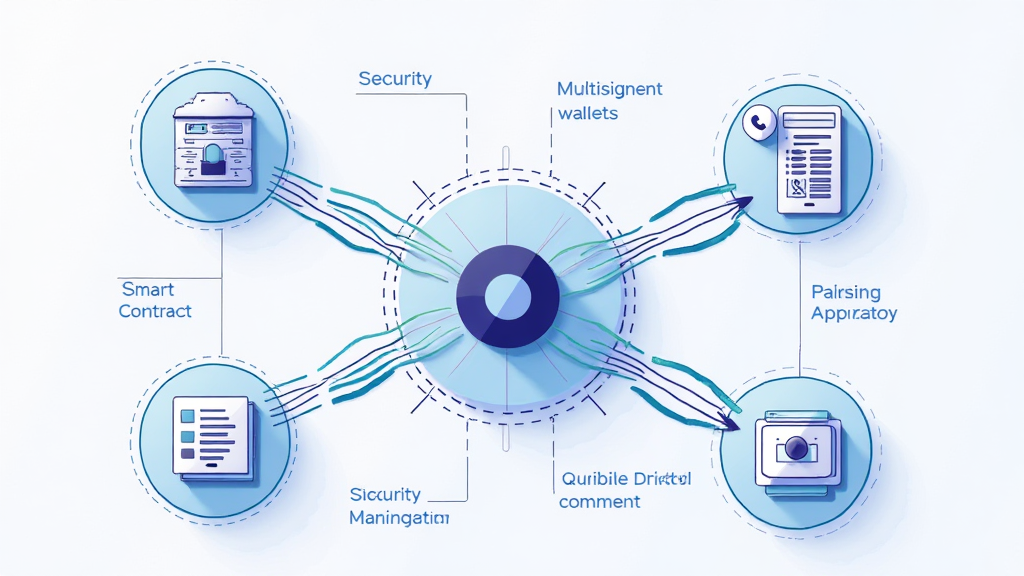
- Proof of Work: This mechanism suffers from energy inefficiency and potential 51% attacks.
- Proof of Stake: It relies on validators holding a significant amount of cryptocurrency, creating centralization risks.
Smart Contract Security
Smart contracts are self-executing contracts with the terms directly written into code. While they offer automation and transparency, they also face unique security risks:
- Malicious coding practices can lead to exploitable vulnerabilities.
- Audit processes may be insufficient, allowing flaws to go unnoticed.
For instance, the infamous DAO hack in 2016, which resulted in the loss of millions, illustrates the importance of thorough smart contract audits. If you’re looking to expand your knowledge on how to audit smart contracts effectively, consider following industry standards and best practices.
2025 Key Security Practices
As we look towards 2025, it’s vital to implement robust security practices to protect your digital assets. Here are some essential practices to consider:
- Multi-Signature Wallets: Use wallets that require multiple signatures to authorize transactions, enhancing security.
- Regular Audits: Conduct regular security audits of your smart contracts and wallets.
- Participate in Bug Bounty Programs: Engage with the community to identify vulnerabilities through incentives.
According to recent research, adopting these practices can reduce hacks by up to 70%. Furthermore, investing in a reputable cold wallet, such as the Ledger Nano X, can substantially lower your risk.
Emerging Trends in Blockchain Security
As blockchain technology continues to evolve, so do the trends shaping its security landscape. Staying informed about these trends is crucial for ensuring the safety of your investments:
- AI in Security: Leveraging artificial intelligence to identify and mitigate threats in real-time.
- Regulatory Compliance: Compliance with global and local regulations is imperative as governments increase scrutiny in the crypto space.
- Decentralized Identity Solutions: Adoption of decentralized identity systems to provide users control over their digital identities.
Local Market Focus: Vietnam
Vietnam’s cryptocurrency market has been experiencing significant growth, with a reported user growth rate of 90% in the past year. As more individuals enter the crypto space, understanding security protocols in the Vietnamese context becomes increasingly important. This includes knowledge of tiêu chuẩn an ninh blockchain and local regulatory frameworks.
Tools and Resources for Blockchain Security
In an age where cybersecurity is paramount, utilizing the right tools can enhance the safety of your blockchain transactions. Here are some recommended tools:
- Ledger Nano X: A hardware wallet that provides offline storage for your assets.
- Reed Security Tools: Learn about enhancing your multichain security through tools that keep your assets safe.
By utilizing these tools and adopting the recommendations outlined in this guide, you will be better equipped to protect your digital assets in 2025 and beyond.
Conclusion
As the digital asset landscape continues to mature, understanding security standards becomes integral to any successful investment strategy. With potential losses mounting to billions, maintaining security is not just a best practice; it’s a necessity. Implementing strong security measures, staying informed about emerging trends, and leveraging appropriate tools can significantly enhance your crypto safety.
Remember, always stay vigilant. The world of cryptocurrency holds enormous potential, but it also exposes you to various risks. For a reliable platform to manage your investments, consider coinca111, where secure transactions meet user-friendly services.
Expert Author: Dr. Jane Smith – A blockchain security consultant and researcher with over 15 published papers in the field. She has led numerous successful audits for renowned crypto projects.


