Understanding Decentralized Finance Risks in 2025
With over $4.1 billion lost to DeFi hacks in 2024 alone, investors are increasingly aware of the numerous decentralized finance risks that could jeopardize their digital assets. The rapidly evolving nature of the blockchain environment brings both opportunities and threats, compelling investors to stack up their knowledge on security standards and potential vulnerabilities. In this comprehensive guide, we will delve into the landscape of DeFi, shining a light on the associated risks, their implications, and actionable measures that can be taken to mitigate them.
What is Decentralized Finance?
Decentralized finance represents a paradigm shift in the financial services industry, aiming to recreate and improve upon traditional financial ecosystems using blockchain technology. Unlike centralized financial systems, DeFi allows individuals to transact directly with each other without the need for intermediaries, thereby enhancing transparency and reducing fees.
The Landscape of DeFi Risks
As enticing as DeFi applications may be, they are not without their flaws. Understanding these risks is essential for anyone venturing into this space. Here are some of the most notable risks:
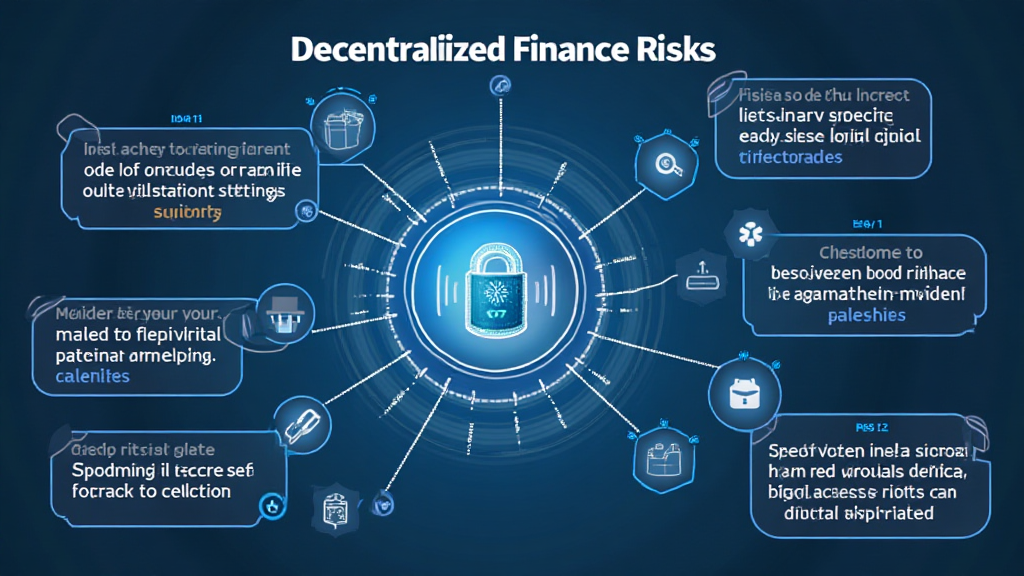
- Smart Contract Vulnerabilities: DeFi relies heavily on smart contracts—self-executing contracts with the terms directly written into code. Errors or exploits in this code can lead to significant financial losses. For instance, the infamous DAO exploit in 2016 demonstrates how a vulnerability can be exploited and lead to millions being siphoned away.
- Market Volatility: Cryptocurrencies are known for their price volatility, which can lead to severe losses. A drastic price drop can prompt liquidations on DeFi platforms, leaving users with nothing but regrets.
- Regulatory Risks: As governments worldwide scramble to define regulations for cryptocurrencies, the changes they introduce can directly impact DeFi protocols. For instance, regulatory crackdowns can shut down services suddenly, leaving investors in limbo.
- Liquidity Risks: Some DeFi projects may struggle with liquidity, making it challenging to withdraw funds without causing market disruption. Low liquidity can also lead to price manipulation.
- Phishing and Scams: DeFi users are prime targets for phishing attacks and scams. Fraudsters often develop fake websites or social media profiles to lure investors.
Smarter Strategies: Identifying and Mitigating Risks
Now that we understand the various risks involved, let’s explore strategies that can be implemented to mitigate these concerns.
- Smart Contract Auditing: Engaging third-party auditors to review your contracts can significantly reduce risks. Audit reports should be public to enhance trust.
- Diversification: Avoid putting all your investments into a single DeFi protocol. Distributing your assets helps cushion against sudden market shifts.
- Regulatory Awareness: Stay abreast of local regulations regarding cryptocurrency. Utilizing resources such as legal experts can help navigate these complexities more efficiently.
- Education: Familiarizing yourself with common scams and vulnerabilities can empower you to identify and avoid risky scenarios.
- Secure Wallets: Utilizing hardware wallets like the Ledger Nano X can reduce your susceptibility to hacks by storing your private keys offline.
The Role of Community and Development
In the DeFi space, community involvement is vital. Open-source code allows users to contribute and create improvements, enhancing security and functionality. Attending local meetups and conferences can provide insights and foster a robust network of like-minded individuals.
In Vietnam, for instance, the increasing number of blockchain meetups signals a growing interest. The country has reported a rise of over 48% in cryptocurrency utilization within the last year, which indicates a demand for education on tiêu chuẩn an ninh blockchain.
The Importance of Compliance
As regulations governing cryptocurrencies continuously evolve, remaining compliant is crucial. The 2025 regulatory landscape emphasizes the need for widespread adherence to safety protocols. Websites like hibt.com can provide valuable adherence strategies.
Utilizing Data to Drive Decisions
Data analytics can play an essential role in assessing risks. Implementing advanced analytics helps in monitoring DeFi protocols’ performance over time, identifying potential vulnerabilities proactively.
For instance, according to a report by Chainalysis, the estimated losses from DeFi hacks and exploits totaled around $4.1 billion in 2024, which underscores the imperative to improve security measures.
Conclusion: Navigating the Future of DeFi
As we look ahead to 2025, the decentralized finance space will continue to grow, bringing with it both opportunities and risks. Understanding decentralized finance risks is essential to participating safely in this exciting domain.
By adopting smarter strategies, remaining vigilant, and educating oneself continuously, investors can navigate the tumultuous waters of DeFi with confidence. Engage with local communities, utilize resources for compliance, and always prioritize security in your investments.
At coinca111, we’re committed to providing you with the latest insights and best practices tailored to help you thrive in the DeFi landscape. Remember, investing in cryptocurrencies carries risks. Always consult with local regulators before proceeding.
Expert Author: Dr. Alex Hargrave, a renowned blockchain researcher, has authored over 25 papers on cryptocurrency security and has led audits for several high-profile DeFi projects.