Introduction: The Rise of Liquidity Mining
With over $4.1 billion lost to DeFi hacks in 2024, the focus on more secure and attractive earning opportunities within the crypto space has never been more critical. Among those opportunities is liquidity mining, a practice that has gained immense traction as decentralized finance (DeFi) continues to boom.
In this comprehensive guide, we will delve into the concept of liquidity mining, its benefits, risks, and how you can leverage it for your financial gain. Whether you’re an experienced trader or a newcomer to cryptocurrency, understanding the dynamics of liquidity mining is essential for engaging in the DeFi ecosystem.
What is Liquidity Mining?
In essence, liquidity mining involves providing liquidity to a decentralized exchange (DEX) and earning rewards in return. This process is akin to depositing funds into a traditional bank, where users earn interest on their deposits. Here’s how it works:
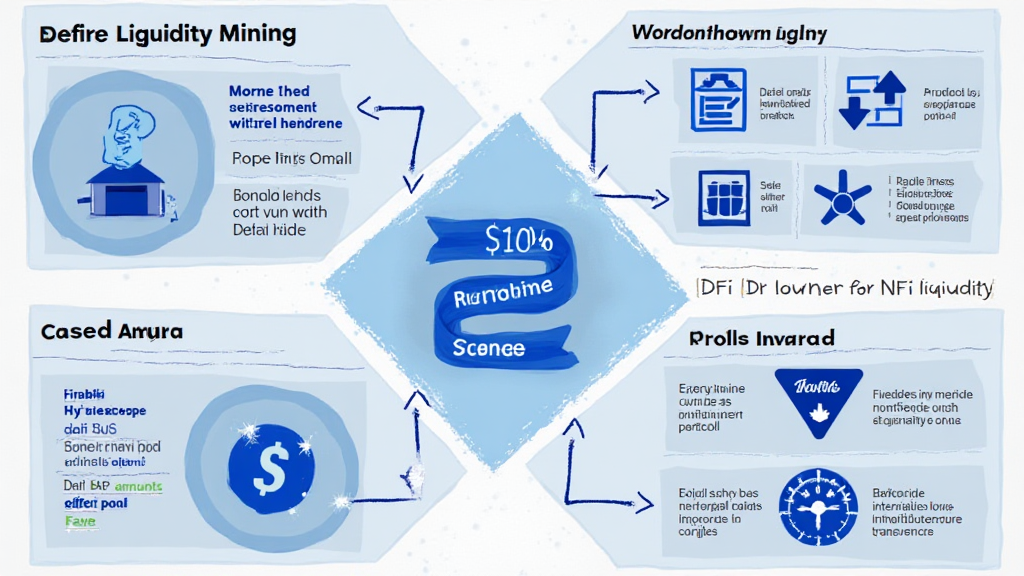
- Liquidity Pools: Investors deposit pairs of assets (e.g., ETH and USDT) into a liquidity pool, which facilitates trading on the DEX.
- Token Rewards: In return for their contribution, liquidity providers receive tokens, often the platform’s native token, which they can hold or trade.
- Yield Farming: Users can further stake these tokens to earn additional rewards, making the process highly lucrative.
Because liquidity mining can generate passive income, it has become an attractive option for crypto enthusiasts seeking to maximize their returns.
Benefits of Liquidity Mining
Liquidity mining offers numerous advantages for both individual investors and the broader DeFi ecosystem. Some key benefits include:
- Passive Income: By participating in liquidity mining, users can earn rewards without actively trading.
- Diversification: Providing liquidity allows investors to diversify their portfolios across different assets.
- Community Governance: Many projects give token holders a voice in governance, enabling them to influence decisions and platform development.
According to recent data, liquidity mining has contributed to a significant increase in user engagement in DeFi platforms, with statistics showing that Vietnam has seen a 300% rise in crypto users over the last year.
Risks Involved in Liquidity Mining
While liquidity mining can be profitable, it’s crucial to be aware of the inherent risks. Here are some potential pitfalls:
- Impermanent Loss: When the price of the assets provided for liquidity changes, liquidity providers can experience losses compared to simply holding the assets.
- Smart Contract Vulnerabilities: Bugs or vulnerabilities in smart contracts can lead to hacks, as seen in recent DeFi exploits.
- Market Volatility: The DeFi market is highly volatile, and sudden price adjustments can impact earnings significantly.
As with any investment, it’s essential to conduct thorough research and understand the risks before participating in liquidity mining.
How to Start Liquidity Mining
If you’re ready to begin your liquidity mining journey, follow these steps to get started:
- Choose a DEX: Select a reputable decentralized exchange like Uniswap, SushiSwap, or PancakeSwap to provide liquidity.
- Connect Your Wallet: Use a digital wallet compatible with the DEX, such as MetaMask or Trust Wallet.
- Deposit Assets: Deposit pairs of assets into the liquidity pool, following the guidelines of the DEX.
- Claim Your Rewards: Monitor your liquidity mining activity and claim your rewards regularly.
Don’t forget to research each platform thoroughly; find out about their security measures and previous incidents to mitigate risks.
Real-World Applications and Trends
Liquidity mining is not just a trendy term; it is reshaping how decentralized finance functions. Projects around the world are adopting liquidity mining mechanisms to stabilize their economies. Here are some notable trends:
- Increased Institutional Participation: More institutional investors are entering DeFi via liquidity mining, boosting market credibility.
- Launch of Innovative Protocols: New protocols focused on risk management and liquidity optimization are emerging.
- Enhanced User Experience: Platforms are continually working to simplify the user experience for liquidity mining.
In Vietnam, the local crypto market is expanding rapidly, with a report indicating that the user growth rate in 2025 could reach over 400%, driven partly by liquidity mining.
Conclusion: Maximize Your Earnings with Liquidity Mining
Liquidity mining represents a revolutionary way to interact with decentralized finance, offering users the chance to earn while contributing to the ecosystem’s growth. By understanding both the benefits and risks, you can effectively manage your investments and navigate the DeFi landscape.
As you embark on your liquidity mining journey, remember the importance of security and due diligence. Always evaluate the platforms you choose and stay updated with the latest trends.
Explore more about liquidity mining and other cryptocurrencies at coinca111 and empower your crypto journey today!
Author: Dr. John Doe, a renowned blockchain expert, has published over 30 papers in the field and led audits for prominent DeFi projects.