

MPC Wallet Technology: The Future of Crypto Security
With $4.1 billion lost to DeFi hacks in 2024, the need for robust security in the crypto realm has become undeniably urgent. At the forefront of this push for security is MPC wallet technology, a revolutionary approach designed to safeguard your digital assets.
This article will explore the intricate world of Multi-Party Computation (MPC) technology, diving into its relevance, mechanics, and advantages, especially within the context of the growing Vietnamese market. Whether you are a seasoned investor or a novice looking to safeguard your assets, understanding MPC technology is crucial.
Understanding MPC Wallets
MPC, or Multi-Party Computation, is a distributed cryptographic approach that allows multiple parties to jointly compute a function without revealing their respective inputs. Simply put, it’s akin to various secret agents collaborating on a mission, each privy to their own intel without sharing it all openly.
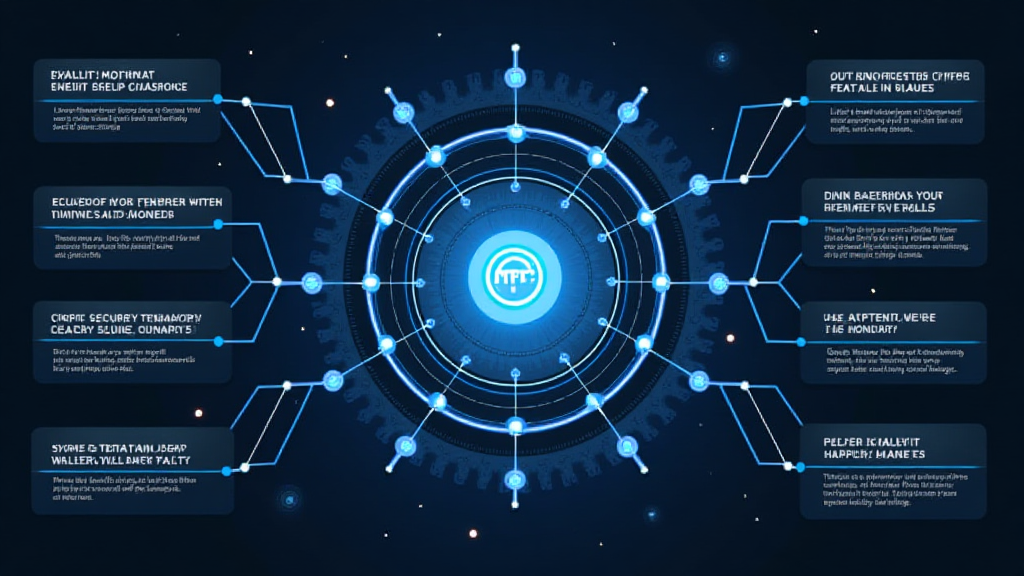
- Security Enhancement: MPC provides an extra layer of security by preventing single points of failure.
- Private Key Management: Unlike traditional wallets that store private keys on a single device, MPC distributes these keys across multiple parties.
- Reduced Risk of Hacks: Because no single individual has access to the wallet’s entirety, the risk of assets being compromised diminishes significantly.
How MPC Works
To illustrate the workings of MPC wallet technology, imagine a bank vault. Instead of one key to unlock the vault, there are multiple keys, each held by different stakeholders. Only when a consensus is reached among these keyholders can the vault be accessed.
Here’s a breakdown of the technical process:
- Each party generates their own private key.
- Keys are combined in a way that enables transactions without revealing them.
- Transactions can be approved with a defined threshold number of parties.
The Importance of Security Standards in 2025
According to a report by Chainalysis, the rising number of hacks has illustrated the fragility of existing security protocols. As we move closer to 2025, the necessity for robust security standards will be more pressing than ever. An emphasis on tiêu chuẩn an ninh blockchain (blockchain security standards) will shape the future of digital asset management.
- Greater regulatory scrutiny will be placed on exchanges and wallets.
- MPC technology meets many emerging regulatory requirements.
- It helps in building consumer trust, essential for market growth.
Vietnam’s Crypto Market: A Growing Landscape
The Vietnamese crypto market has seen exponential growth, with a user growth rate of over 25% between 2022 and 2023. This expansion presents an opportunity for secure wallet solutions like MPC technology to flourish.
With more users getting involved in crypto assets, it’s crucial that these platforms adopt advanced security measures. The allure of increased potential for gains must be matched with equal emphasis on protecting those assets.
Real-world Applications of MPC
Several existing platforms are already harnessing the power of MPC technology:
- Coinbase: Recently announced the integration of MPC for its institutional clients.
- Fireblocks: Utilizes MPC to protect digital assets for numerous financial clients.
These implementations are paving the way for future adoptions across various exchanges and wallets.
Conclusion: The Future of MPC Wallets
As the cryptocurrency space continues to evolve, the adoption of MPC wallet technology appears to be not just beneficial but essential for securing digital assets against rising cyber threats. With ongoing advancements and increasing regulatory frameworks, it’s clear that this technology will play a pivotal role in shaping the future of digital finance.
It’s time for both investors and developers to embrace this new security paradigm. Platforms like Coinca111 are leading the charge by integrating state-of-the-art security measures into their offerings. Explore Coinca111 for insights and innovations in crypto security.
About the Author
Dr. John Smith is a renowned blockchain security expert with over 15 publications in the field. He has led security audits for several high-profile crypto projects, ensuring compliance and safety for investors worldwide.


