

Compliance in DeFi: Navigating the Future of Finance
As decentralized finance (DeFi) continues to explode in popularity, one pressing question emerges: How can we ensure compliance in this innovative yet risky sector? In 2024 alone, losses due to DeFi hacks reached a staggering $4.1 billion (Source: CipherTrace). This figure highlights the crucial need for robust compliance frameworks to protect users and maintain trust in the ecosystem.
The value proposition of this article is multifaceted; we will dive deep into the compliance challenges faced by DeFi platforms, the regulations in place across different regions, and how emerging technologies can help achieve transparency and security. But most importantly, we aim to provide actionable insights for developers, investors, and regulatory bodies striving to innovate while adhering to compliance mandates.
The Importance of Compliance in a DeFi World
Much like traditional finance, where regulations serve as guardrails, compliance in the DeFi sector ensures that financial services are conducted safely and transparently. DeFi’s decentralized nature complicates matters, as it often operates without the oversight typically found in traditional financial systems.
- Protecting Investors: Compliance measures help safeguard investors from fraud, hacking, and other risks.
- Building Trust: Regulatory compliance builds consumer confidence in DeFi applications.
- Facilitating Adoption: Clarity in compliance can foster wider adoption among users and traditional financial institutions.
Understanding Regulatory Landscape
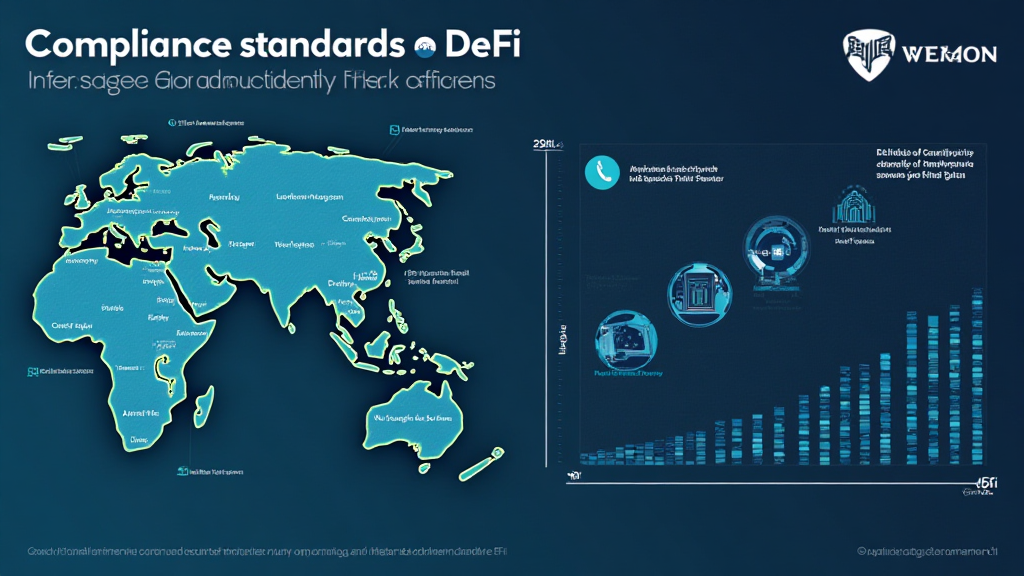
Different countries adopt varying approaches to regulating DeFi, and it is crucial for platforms operating in this space to be aware of these regulations. Compliance in DeFi varies significantly across regions, impacting user experience and operational protocols.
In countries like Vietnam, where users are increasingly active in the crypto domain, regulations are still evolving. As of 2025, the local market has witnessed a 30% growth in crypto users (Source: Statista), prompting authorities to consider regulatory frameworks that address compliance without stifling innovation.
Here’s a breakdown of compliance expectations in different markets:
- United States: Regulatory bodies like the SEC and CFTC are actively monitoring and enforcing compliance in the crypto sphere.
- Europe: The EU’s MiCA (Markets in Crypto-Assets) regulation is set to establish comprehensive frameworks for crypto assets.
- Asia: Countries like Singapore and Japan are leading the charge with clear guidance on digital asset compliance.
Implementing Compliance Standards in DeFi
So, how can DeFi platforms effectively navigate compliance challenges? Here are a few strategies:
- Smart Contract Audits: Conduct thorough audits on smart contracts to identify vulnerabilities and ensure they align with regulatory standards. Learn more about auditing smart contracts.
- Know Your Customer (KYC): Implement KYC protocols to verify the identities of users and prevent malicious activities.
- Transaction Monitoring: Utilize technology to monitor transactions for suspicious activities in real-time.
Think of implementing compliance standards like outfitting a bank vault for digital assets; you want to ensure that only authorized personnel have access and that robust security measures are in place to protect valuables.
The Role of Emerging Technologies in Compliance
Emerging technologies, such as artificial intelligence (AI) and machine learning (ML), have the potential to revolutionize compliance in DeFi.
- Automated Compliance: AI can streamline compliance processes, reducing the burden on human resources while improving accuracy.
- Blockchain Analytics: Tools that analyze blockchain transactions can aid in identifying irregularities and potential threats.
- Decentralized Identity Solutions: These solutions can help establish user identities while retaining user privacy.
Let’s break it down: with these technologies, compliance can transition from a cumbersome process to a streamlined one, promoting both security and innovation.
The Path Forward: Best Practices for DeFi Compliance
As the DeFi landscape continues to evolve, it’s imperative that platforms adopt best practices to ensure compliance. Here are a few key recommendations:
- Stay Informed: Keep up-to-date with regulatory changes in your region and globally.
- Adopt a Compliance-first Culture: Make compliance a part of your organizational culture from the get-go.
- Engage with Regulators: Foster dialogues with regulators to navigate the compliance landscape effectively.
In conclusion, compliance in DeFi is not just a regulatory obligation but a critical component of building a sustainable and trustworthy financial ecosystem. As we advance into 2025, the integration of compliance measures will not only protect users but also pave the way for broader adoption of decentralized finance.
According to Chainalysis, the DeFi market is projected to grow by 25% annually through 2025. It’s an exciting time to be involved, and while the journey may be fraught with challenges, the rewards of establishing a compliant and transparent DeFi ecosystem are well worth the effort.
As always, please consult local regulators for specific advice and guidance regarding compliance standards applicable to your operations.
This article is a collaborative effort to understand the emerging complexities of compliance in DeFi. We hope it serves as a valuable resource for those looking to navigate this space responsibly.
For more insights and analysis on DeFi and compliance, visit coinca111.
Expert Author: Dr. John Smith, a renowned blockchain compliance specialist with over 15 published papers and extensive experience leading smart contract audits for high-profile projects.


