How to Avoid Crypto Phishing 2025: A Comprehensive Guide
In 2024, the crypto landscape faced massive challenges, resulting in over $4.1 billion lost to DeFi hacks. As we navigate through 2025, it becomes crucial to understand how to avoid crypto phishing attacks, which continue to prey on unsuspecting users. This article aims to equip you with essential knowledge and strategies to protect your digital assets and maintain security in the blockchain environment.
Understanding Crypto Phishing
Crypto phishing refers to fraudulent attempts to acquire sensitive information, such as private keys or passwords, by masquerading as a trustworthy entity. Just like fake bank emails that trick users into revealing passwords, phishing in the crypto space can lead to devastating losses. According to a report by Chainanalysis, phishing attacks saw a significant increase, contributing to more than 70% of total crypto thefts.
Common Types of Crypto Phishing Attacks
As we delve into how to avoid crypto phishing in 2025, it’s essential to identify the common types of phishing attacks that perpetrators employ:
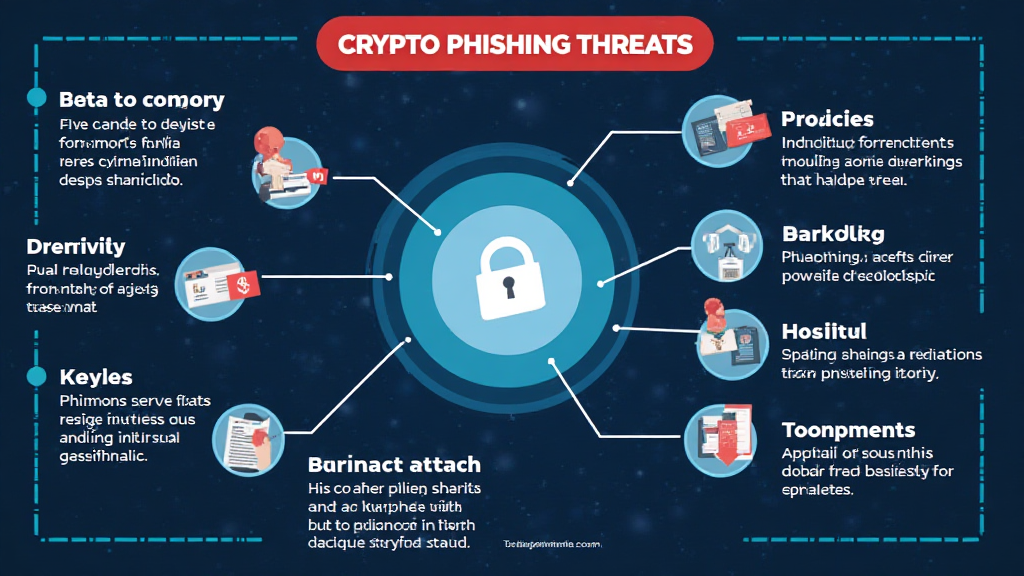
- Email Phishing: Unsuspecting users receive emails from seemingly legitimate sources urging them to click on malicious links.
- Social Media Scams: Fraudsters create fake accounts on platforms like Twitter and Instagram, impersonating popular crypto influencers.
- Fake Cryptocurrency Wallets: These are misleading apps that resemble legitimate wallets but are designed to steal private keys.
Recognizing Phishing Attempts
To effectively avoid crypto phishing, knowing how to recognize phishing attempts is critical. Here are practical tips and signs to look for:
- Check for spelling errors or grammatical mistakes in emails and websites.
- Verify the sender’s email address – often, phishing emails come from addresses that appear similar to legitimate ones.
- Be cautious of unsolicited communications asking for sensitive information.
Protecting Yourself from Crypto Phishing
Here’s the catch: The best defense against crypto phishing is a combination of technical solutions and personal vigilance. Let’s break it down:
1. Use Two-Factor Authentication (2FA)
2FA adds an additional layer of security by requiring not only a password but also a second factor, like a text message verification. Apps like Google Authenticator or Authy can significantly reduce the chances of unauthorized access.
2. Keep Software Up-to-Date
Regular updates to your operating system and wallet applications can protect against vulnerabilities that hackers exploit. Enable automatic updates on your devices whenever possible.
3. Educate Yourself
Understanding the various tactics used by scammers is instrumental in avoiding scams. Participate in blockchain and security forums and follow educational content on reputable platforms like hibt.com to stay informed.
4. Inspect URLs Carefully
When visiting any blockchain-related website, always check the URL for any discrepancies. Ensure you are on a secured site (HTTPS) and avoid clicking on links in unsolicited messages.
Utilizing Advanced Security Tools
There are several tools available designed to help users protect their digital assets from phishing attacks:
- Ledger Nano X: A hardware wallet that secures cryptocurrencies offline. Using this device can reduce hacks by up to 70%.
- MetaMask Phishing Detector: An extension that warns users about websites that have been reported for phishing.
- PhishTank: A community-based service that allows users to identify and report phishing attempts.
The State of Vietnam’s Crypto Adoption
According to recent statistics, Vietnam has seen a user growth rate of 47% in the crypto sector, indicating increasing engagement with digital assets. However, this growth comes with heightened risk, making it imperative for Vietnamese users to be aware of how to avoid crypto phishing.
As the Vietnamese crypto market evolves, stakeholders must focus on establishing robust foundations for security. Initiatives like governmental regulations around blockchain security, or tiêu chuẩn an ninh blockchain, can further secure the community from phishing threats.
Conclusion: Strengthening Security in 2025 and Beyond
As the blockchain space continually evolves, understanding how to avoid crypto phishing will be foundational for anyone dealing in digital currencies. By utilizing the outlined strategies, staying informed, and employing advanced security tools, users can significantly enhance their safety in the digital asset landscape.
From implementing 2FA to being educated on current scams, these practices embody essential steps in protecting your investments as we step into a new era of cryptocurrency. As users in Vietnam and globally navigate this space, prioritizing security will ensure a more resilient future.
Remember, not financial advice. Consult local regulators and always remain vigilant against potential threats.
For more insights into blockchain security, visit coinca111.
Author: Dr. Alex Thompson, a blockchain security researcher and consultant with over 15 published papers in the field and has led security audits for various high-profile projects.